
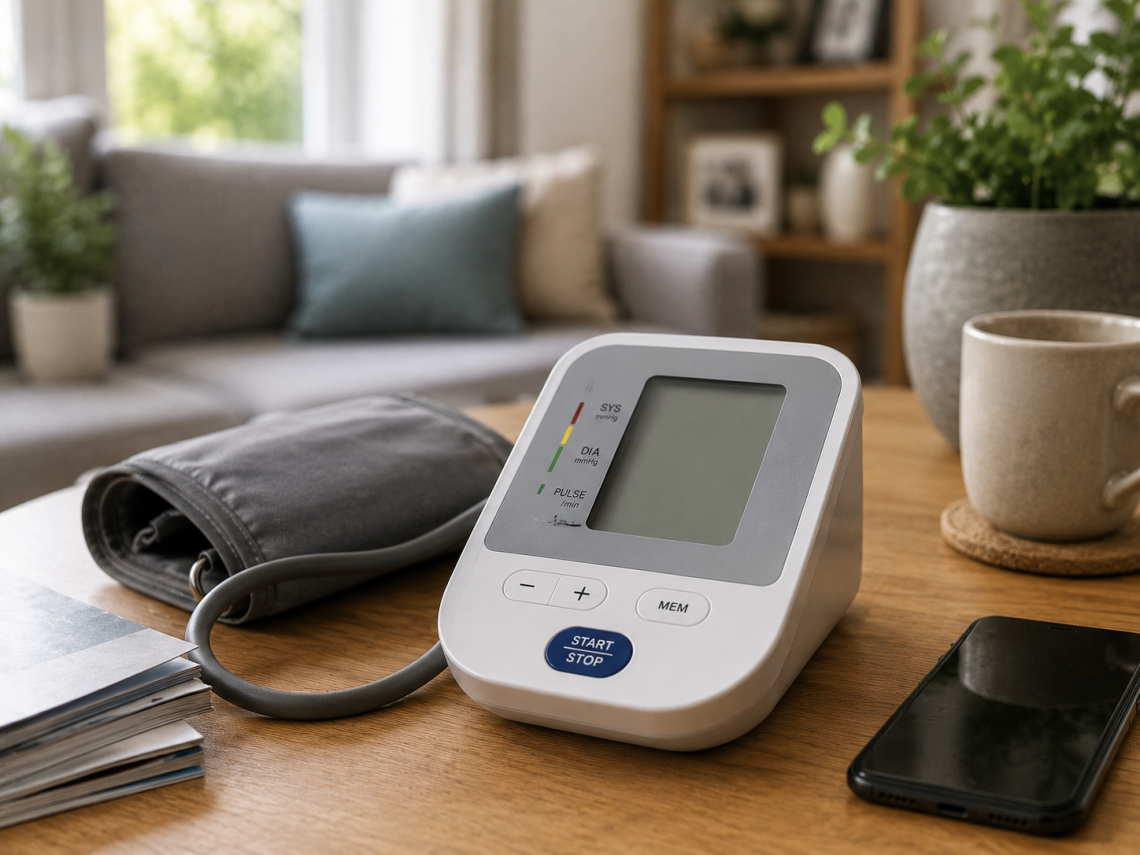
High blood pressure is dangerous because it often does not feel dangerous.
You can feel mostly normal, go through your day, sleep normally, work normally, and still have pressure inside your blood vessels staying too high for too long.
That is the part many adults miss.
High blood pressure usually does not give clear early warning signs. Many people only find out during a routine checkup, after buying a home blood pressure monitor, or after a more serious health scare.
This article is not meant to scare you. It is meant to make the invisible visible. Because the symptoms people ignore are often not “proof” of high blood pressure, but they can be signs that your body needs attention.
At a glance
The Most Important Thing To Know
High blood pressure often has no obvious symptoms. That means the only reliable way to know your numbers is to measure them. Symptoms like chest pain, shortness of breath, vision changes, weakness, confusion, severe headache, or difficulty speaking should never be brushed off, especially if your blood pressure is very high.
Why High Blood Pressure Is So Easy To Ignore
Most health problems get your attention quickly. A sore throat hurts. A twisted ankle swells. A stomach bug forces you to stop what you are doing.
High blood pressure is different.
It can quietly strain your blood vessels, heart, brain, kidneys, and eyes without causing a clear symptom at first. That is why many adults assume they are fine until a doctor checks their numbers.
Here is the dangerous belief: “I would feel it if my blood pressure was high.”
Many times, you will not.
Silent Pressure, Visible Damage
Think of high blood pressure like too much pressure inside a garden hose. At first, the hose may look normal. Over time, the pressure can weaken the system.
Heart
The heart may have to work harder than it should.
Brain
Blood vessels in the brain may become more vulnerable.
Kidneys
Tiny filtering vessels can be affected over time.
Eyes
Small blood vessels in the eyes can also be affected.
1. Morning Headaches That Keep Coming Back
A headache does not automatically mean high blood pressure. Most headaches have other causes, like dehydration, poor sleep, stress, eye strain, neck tension, caffeine changes, or sinus issues.
But headaches should get more attention when they are severe, unusual, repeated, or happen with very high blood pressure readings.
Many adults ignore morning headaches because they assume they slept badly. Sometimes that is true. But if headaches are becoming a pattern, especially with dizziness, vision changes, chest symptoms, or shortness of breath, it is worth checking your blood pressure and speaking with a healthcare professional.
Important: The headache itself is not the diagnosis. The pattern is the clue. Repeated symptoms plus high readings should not be ignored.
2. Shortness Of Breath During Normal Tasks
Getting winded after intense exercise is normal. Getting short of breath from normal daily tasks can be more concerning.
Some people explain it away as being out of shape, getting older, gaining weight, or having a stressful week. Those may play a role. But shortness of breath can also point to heart, lung, blood pressure, or circulation issues.
Pay attention if you notice shortness of breath while:
- Walking up a small flight of stairs
- Carrying groceries
- Lying flat in bed
- Doing chores that used to feel easy
- Walking at your normal pace
Shortness of breath with chest pressure, sweating, weakness, confusion, or very high blood pressure should be treated as urgent.
3. Blurry Vision Or Sudden Vision Changes
Vision changes are easy to blame on age, screen use, glasses, or tired eyes.
But sudden blurry vision, loss of vision, double vision, or vision changes that come with weakness, numbness, headache, confusion, or difficulty speaking need immediate attention.
High blood pressure can affect small blood vessels, including those in the eyes. Vision symptoms can also be linked to serious brain or circulation problems.
Do Not Wait On These Symptoms
If any of these happen suddenly, do not treat it like a normal tired day.
4. Dizziness, Lightheadedness, Or Feeling Unsteady
Dizziness can have many causes. It can come from dehydration, inner ear problems, low blood sugar, medication effects, standing up too quickly, anxiety, or other health issues.
But dizziness should not be brushed off when it is new, frequent, severe, or paired with high blood pressure readings.
This is especially true if dizziness comes with:
- Chest discomfort
- Shortness of breath
- Vision changes
- Weakness on one side
- Trouble speaking
- Severe headache
- Fainting
One dizzy spell may not mean much. A repeated pattern is different.
5. Chest Pressure, Tightness, Or Pain
Chest pain is one of the symptoms people should never “wait out,” especially if it feels like pressure, tightness, squeezing, heaviness, or pain spreading to the arm, jaw, back, neck, or shoulder.
Some adults dismiss chest symptoms as heartburn, stress, poor posture, or muscle soreness. Sometimes it is one of those. But guessing can be dangerous.
If chest pain happens with very high blood pressure, shortness of breath, sweating, nausea, weakness, or a feeling that something is seriously wrong, seek emergency help.
6. Fatigue That Feels Out Of Proportion
Everyone gets tired. But ongoing fatigue that feels out of proportion deserves attention.
Many adults try to push through it. They blame age, work, bad sleep, stress, or not exercising enough. Those can all contribute. But fatigue can also be connected to heart strain, sleep apnea, kidney issues, medication side effects, blood sugar problems, anemia, thyroid issues, depression, or other medical causes.
High blood pressure can also exist alongside these problems, which is why it is useful to check your numbers instead of guessing.
Pay attention if fatigue comes with:
- Shortness of breath
- Chest discomfort
- Swelling in the legs or ankles
- Morning headaches
- Loud snoring or gasping during sleep
- Dizziness or faintness
- New weakness or reduced exercise tolerance
7. Nosebleeds That Seem Unusual
Nosebleeds are common and are often caused by dry air, allergies, irritation, nose picking, blood thinners, or sinus problems.
A nosebleed alone does not prove high blood pressure.
But frequent, heavy, or hard-to-stop nosebleeds should not be ignored. And if a nosebleed happens along with a very high blood pressure reading or other symptoms like chest pain, shortness of breath, severe headache, confusion, or vision changes, it needs medical attention.
Symptom Reality Check
These symptoms can have many causes. The point is not to self-diagnose. The point is to stop ignoring repeated patterns.
| Headache | Could be stress, sleep, dehydration, or something more serious if severe or paired with high readings. |
| Dizziness | Could be hydration, medication, inner ear issues, or circulation concerns. |
| Shortness of breath | Should be taken seriously if new, worsening, or happening during normal tasks. |
| Vision changes | Sudden changes are a red flag, especially with weakness, confusion, or trouble speaking. |
The Symptom Most People Never Notice: No Symptom At All
This is the most important part of the article.
The most common “symptom” of high blood pressure is often no symptom.
That is why regular blood pressure checks matter. You cannot reliably feel your blood pressure number. You have to measure it.
For adults over 50, this becomes even more important because the risk of high blood pressure increases with age, and many people also have other risk factors like weight gain, lower activity levels, sleep problems, family history, stress, diabetes, kidney issues, or higher salt intake.
The Simple Blood Pressure Habit
A home monitor can help you spot patterns, but one random reading does not tell the whole story. The pattern over time matters more.
- Sit quietly for a few minutes before measuring.
- Keep your arm supported around heart level.
- Take the reading at the same time each day when possible.
- Write down the numbers instead of trying to remember them.
- Bring repeated elevated readings to your healthcare professional.
When A High Reading Becomes Urgent
If your blood pressure reading is extremely high, do not panic, but do not ignore it either.
If you get a reading around 180/120 mm Hg or higher, sit quietly and repeat the measurement after a short rest. If it stays very high, the next step depends on symptoms.
If very high blood pressure comes with chest pain, shortness of breath, back pain, numbness, weakness, vision changes, confusion, or difficulty speaking, seek emergency medical help.
Very High Reading Action Box
Step 1: Recheck
If the reading is very high, sit quietly and measure again after a short rest.
Step 2: Look For Red Flags
Chest pain, shortness of breath, weakness, numbness, vision changes, confusion, or trouble speaking are urgent warning signs.
Step 3: Get Help
If very high blood pressure comes with warning symptoms, seek emergency medical help. If it stays high without those symptoms, contact a healthcare professional promptly.
What To Track For 7 Days
If you are not dealing with emergency symptoms, a simple 7-day log can make your next doctor visit much more useful.
Do not rely on memory. Write the numbers down.
7-Day Blood Pressure Pattern Log
Track these for one week. You are looking for patterns, not one perfect reading.
This kind of log helps your healthcare professional see whether your readings are consistently elevated, whether symptoms match the readings, and whether lifestyle patterns may be involved.
Small Changes That Often Matter
High blood pressure should be managed with proper medical guidance. But many daily habits can support healthier blood pressure over time.
- Checking your blood pressure regularly
- Following your prescribed treatment plan
- Reducing excess sodium if advised
- Moving your body consistently
- Limiting alcohol
- Managing stress
- Getting enough sleep
- Avoiding smoking
- Keeping regular medical appointments
The goal is not to make 12 changes overnight. The goal is to stop letting high blood pressure stay invisible.
FAQ
Can you feel when your blood pressure is high?
Often, no. High blood pressure commonly has no obvious symptoms. The only reliable way to know your blood pressure is to measure it.
Are headaches a sign of high blood pressure?
Headaches can have many causes and do not automatically mean high blood pressure. Severe, unusual, repeated headaches, especially with very high readings or other warning symptoms, should be checked.
What symptoms are dangerous with high blood pressure?
Chest pain, shortness of breath, back pain, numbness, weakness, vision changes, confusion, severe headache, or difficulty speaking can be urgent warning signs, especially with very high blood pressure.
What blood pressure reading is considered very high?
A reading around 180/120 mm Hg or higher is considered very high. If it stays that high and symptoms are present, seek emergency medical help.
Can high blood pressure make you tired?
High blood pressure itself may not cause clear fatigue, but it can exist alongside sleep apnea, heart strain, kidney issues, medication effects, or other problems that may make you feel tired.
Should I check blood pressure at home?
Home monitoring can be useful for spotting patterns, but it should not replace medical care. Bring repeated elevated readings to a healthcare professional.
Educational Disclaimer
This article is for educational purposes only and is not medical advice. If you have very high blood pressure, chest pain, shortness of breath, weakness, numbness, vision changes, confusion, difficulty speaking, severe headache, or any concerning symptoms, seek medical help immediately or contact a qualified healthcare professional.
