Sleep is not just the time when your body shuts off.
It is when your body repairs tissue, resets your nervous system, supports immune function, restores energy, and helps your brain process the day.
But here is where many people get misled.
You can be in bed for 7 or 8 hours and still not recover properly.
The number of hours matters, but the quality of those hours matters just as much. If your sleep is broken, too light, poorly timed, or affected by stress, pain, breathing problems, alcohol, caffeine, or a sleep disorder, your body may wake up without feeling restored.
Here are 9 signs your body may not be recovering properly during sleep.
Quick answer
Poor sleep recovery can feel like waking up tired, needing caffeine to function, brain fog, mood changes, morning headaches, muscle stiffness, low motivation, frequent nighttime waking, or getting sick more often. The cause is often not one bad night, but a repeated pattern of sleep that is not deep, steady, or restorative.
The Difference Between Sleeping And Recovering
Many people think sleep is successful if they were in bed long enough.
But recovery depends on what happens during that time. Your body needs enough uninterrupted sleep, enough deep sleep, enough dream sleep, and enough time for the nervous system to calm down.
If sleep keeps getting interrupted, your body may not fully complete the work it is supposed to do overnight.
When sleep is working well, several systems recover at the same time.
Muscles, joints, immune function, and physical energy need steady rest.
Memory, focus, reaction time, and emotional control depend on quality sleep.
Stress recovery requires the body to move out of alert mode and into repair mode.
1. You Wake Up Tired Even After Enough Hours
This is the clearest sign that sleep time and sleep recovery are not matching.
If you slept 7 to 9 hours but wake up feeling heavy, foggy, or unrested, your sleep may not have been as restorative as it looked on paper.
Common reasons include:
- Frequent waking during the night
- Stress keeping the body alert
- Snoring or breathing interruptions
- Alcohol disrupting sleep quality
- Pain or discomfort
- Waking during a deeper sleep stage
One bad morning is normal. A repeated pattern is the clue.
Do you feel tired because you did not sleep long enough, or because your body did not recover during the sleep you got? Those are two different problems.
2. You Need Caffeine Just To Feel Normal
Coffee is not the enemy. Many people enjoy it and use it normally.
But if caffeine feels less like a preference and more like a requirement, your body may be compensating for poor recovery.
Pay attention if you notice:
- You feel barely functional before caffeine
- You need more caffeine than you used to
- You crash hard in the afternoon
- You feel sleepy while sitting still
- You feel tired again soon after the caffeine wears off
The trap is that late caffeine can also make the next night lighter, which can create a loop.
| Poor sleep | You wake up tired and need caffeine to push through the morning. |
| Late caffeine | Caffeine later in the day may make sleep lighter, even if you still fall asleep. |
| Next morning | You wake up tired again, and the cycle repeats. |
3. Your Brain Feels Foggy In The Morning
Poor sleep recovery often shows up in the brain before it shows up anywhere else.
You may wake up and feel slow, scattered, forgetful, or mentally dull. Tasks that should be simple take more effort. You reread the same thing. You forget what you walked into the room to do.
This can happen because sleep supports attention, memory, learning, and clear thinking.
Brain fog can have many causes, but if it is strongest in the morning or after poor sleep, your sleep quality is worth checking.
4. Your Mood Is More Irritable Or Flat
When the body does not recover well, emotional control often becomes harder.
Small problems feel larger. Patience is shorter. Motivation drops. You may feel more anxious, low, or emotionally flat without a clear reason.
This does not mean sleep is the only factor. Mood can be affected by stress, hormones, health issues, medications, grief, depression, and many other things.
But if your mood is noticeably worse after poor sleep, that pattern matters.
You may still feel normal stress, but your patience and focus feel more available.
Small tasks feel heavier, irritation rises faster, and motivation feels harder to access.
5. You Wake Up With Headaches, Dry Mouth, Or A Sore Throat
Morning headaches, dry mouth, or a sore throat can come from several things, including dehydration, allergies, dry air, mouth breathing, alcohol, or sinus issues.
But they can also appear when breathing is disrupted during sleep.
This is especially important if you also snore loudly, wake up gasping, feel very sleepy during the day, or have been told you stop breathing during sleep.
Sleep apnea is one condition that can prevent proper recovery because breathing interruptions can repeatedly wake the body, even if you do not remember waking.
These signs do not prove sleep apnea, but they are worth taking seriously if they repeat.
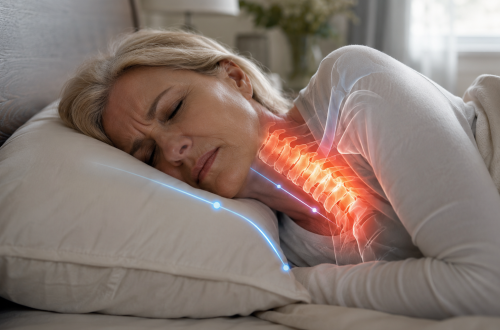
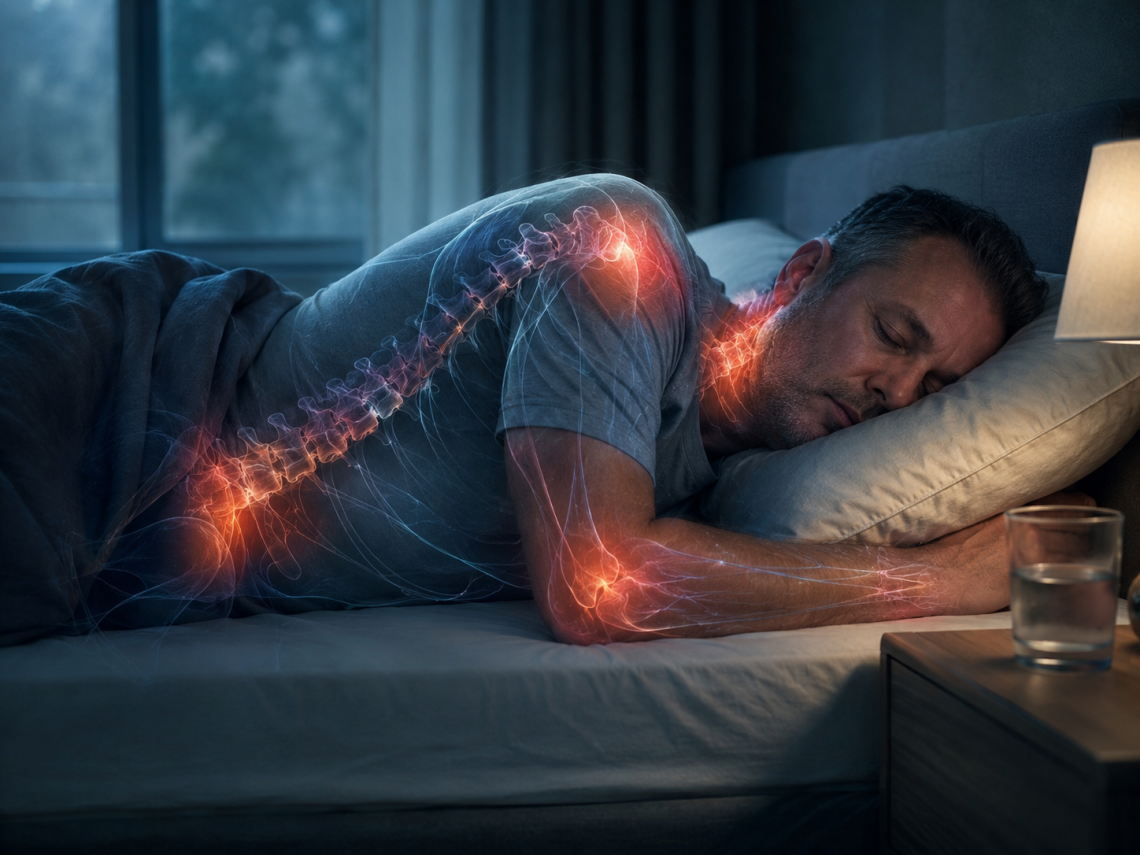
6. Your Body Feels Stiff, Sore, Or Heavy After Waking
Some stiffness in the morning can happen, especially after a hard day, a new workout, an awkward sleep position, or an unsupportive mattress or pillow.
But if you regularly wake up feeling physically heavy, sore, or stiff, your body may not be fully relaxing and recovering during the night.
Possible causes include:
- Poor sleep position
- Neck or back strain
- Stress-related muscle tension
- Restless sleep
- Inflammation or joint issues
- Not enough movement during the day
The useful question is whether the stiffness improves after movement. If it does, your sleep setup, posture, or overnight tension may be part of the picture.
7. You Keep Waking Up During The Night
Waking up once in a while is normal. But repeated wake-ups can make sleep much less restorative.
Even if you fall back asleep quickly, your body may be losing the steady rhythm it needs for deeper recovery.
Common reasons include:
- Stress
- Bathroom trips
- Pain
- Noise
- Room temperature
- Alcohol
- Snoring or breathing issues
- Restless legs
| Restorative sleep | Longer stretches of steady sleep allow the body to move through recovery cycles. |
| Broken sleep | Repeated wake-ups can cut into deeper sleep and leave you tired despite enough time in bed. |
8. You Feel Sleepy At The Wrong Times
Feeling a little tired in the afternoon can happen. But strong daytime sleepiness is different.
If you are nodding off while watching TV, reading, sitting quietly, working, or riding as a passenger, your body may be signaling that sleep recovery is not keeping up.
This is especially important if you feel sleepy while driving. That should be treated seriously.
If you are struggling to stay awake while driving, pull over safely and do not try to push through it. Ongoing daytime sleepiness should be discussed with a healthcare professional.
9. You Get Sick More Often Or Feel Run Down
Sleep and immune function are connected. When sleep is consistently poor, the body may have a harder time staying resilient.
This does not mean every cold or slow recovery is caused by bad sleep. Diet, stress, age, medical conditions, medications, and exposure to viruses all matter too.
But if you constantly feel run down, catch things easily, or feel like your body is never fully recharged, sleep quality belongs on the list of things to check.
The 9 Signs At A Glance
The time in bed looks right, but your body does not feel restored.
Caffeine feels necessary just to reach a normal baseline.
Focus, memory, and clear thinking feel harder in the morning.
Irritation, anxiety, low mood, or low motivation show up more easily.
Especially important if paired with snoring, gasping, or daytime sleepiness.
Morning soreness may point to tension, position, pain, or restless sleep.
Broken sleep can reduce recovery even when total time in bed seems fine.
Nodding off at the wrong times can be a sign your body is not getting restorative sleep.
Poor sleep can affect how resilient and restored your body feels.
What To Track For 7 Nights
The fastest way to stop guessing is to track the pattern.
You do not need a complicated sleep device. A simple written log can show whether your recovery problem is linked to caffeine, alcohol, stress, waking, snoring, pain, or inconsistent sleep timing.
| Before bed | Caffeine timing, alcohol, stress level, screen use, late meals, pain level. |
| During the night | Wake-ups, bathroom trips, snoring, gasping, restlessness, discomfort. |
| Morning | Energy, mood, headaches, dry mouth, stiffness, brain fog. |
| Daytime | Caffeine need, sleepiness, focus, motivation, naps, afternoon crash. |
When To Speak With A Healthcare Professional
Poor sleep recovery is common, but it should not be ignored if it is frequent, worsening, or affecting your daily life.
It is especially worth getting checked if your tiredness comes with loud snoring, gasping, morning headaches, high blood pressure, chest symptoms, shortness of breath, mood changes, severe insomnia, or sleepiness while driving.
FAQ
Can you sleep 8 hours and still not recover?
Yes. If sleep is broken, poor quality, poorly timed, or affected by stress, pain, breathing issues, alcohol, caffeine, or a sleep disorder, the body may not feel restored even after enough hours in bed.
What is the biggest sign of poor sleep quality?
A common sign is feeling tired or sleepy even after getting enough sleep. Repeated waking during the night and trouble falling asleep can also point to poor sleep quality.
Can poor sleep cause brain fog?
Poor sleep can affect focus, memory, attention, and clear thinking. Brain fog can have many causes, but sleep quality is one important factor to consider.
Can sleep apnea stop the body from recovering?
Sleep apnea can repeatedly interrupt breathing and sleep. Many people do not remember waking, but they may wake up tired, have morning headaches, dry mouth, loud snoring, or daytime sleepiness.
Why do I wake up sore after sleeping?
Morning soreness can come from sleep position, mattress or pillow support, stress tension, pain, joint issues, or restless sleep. If stiffness is persistent or worsening, it is worth getting checked.
When should I get help for poor sleep recovery?
Speak with a healthcare professional if poor sleep recovery is frequent, worsening, affecting daily life, or paired with loud snoring, gasping, severe daytime sleepiness, morning headaches, mood changes, chest symptoms, or shortness of breath.
Educational Disclaimer
This article is for educational purposes only and is not medical advice. If you have severe fatigue, loud snoring, gasping during sleep, chest pain, shortness of breath, fainting, severe mood changes, worsening symptoms, or sleepiness while driving, seek medical advice from a qualified healthcare professional.