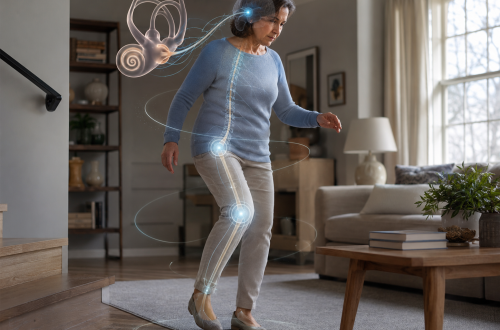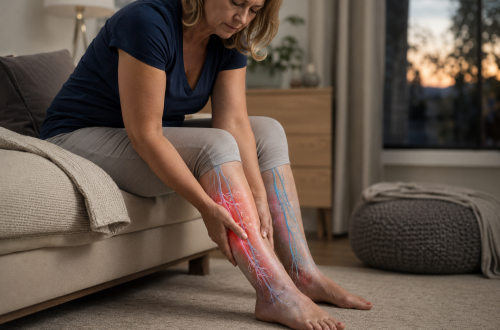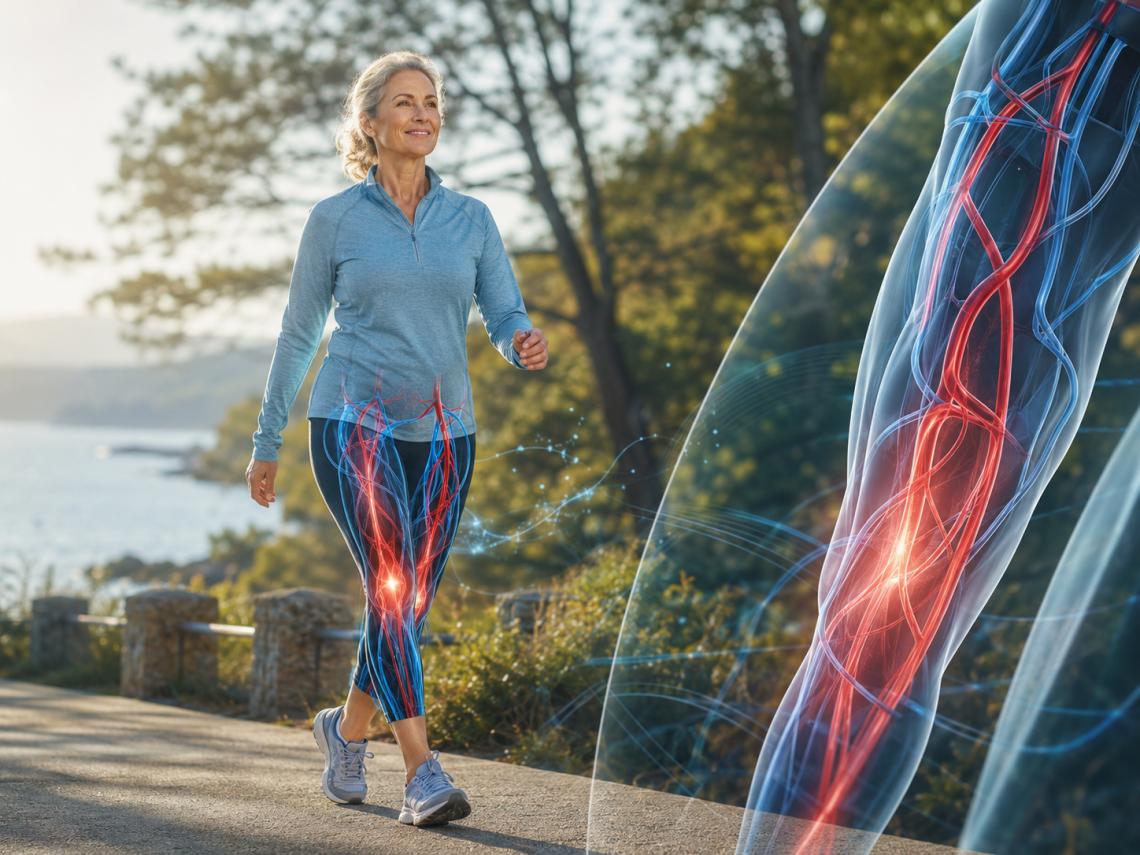
Circulation can start to feel different after 50.
Your feet may get cold more easily. Your legs may feel heavier at the end of the day. You may notice swelling around the ankles, slower recovery after walking, or a tired feeling in the legs that was not there before.
Many people explain it away as age.
But circulation is not just about age. It is affected by movement, muscle strength, blood vessel health, smoking, blood pressure, cholesterol, blood sugar, hydration, posture, medications, and underlying health conditions.
The good news is that some of the most useful circulation habits are simple. The important part is knowing which habits actually support blood flow, and which symptoms should not be ignored.
Quick answer
Regular walking, strength training, breaking up long sitting, stopping smoking, staying hydrated, eating heart-supportive foods, managing blood pressure, managing cholesterol, managing blood sugar, reducing excess weight if needed, and checking concerning symptoms can all support healthier circulation.
Circulation Is More Than Blood Moving Around
Circulation is your body’s delivery system.
Blood carries oxygen and nutrients to your muscles, brain, skin, organs, hands, feet, and every working tissue in the body. Then it helps carry waste products away.
When circulation is working well, movement feels easier, the legs feel lighter, wounds heal normally, and the body can respond better to daily demands.
When circulation is not working well, the signs can be subtle at first. Cold feet. Heavy legs. Leg pain while walking. Swelling. Numbness. Tingling. Skin changes. Slow healing. Tired legs that do not match your activity level.
Good circulation depends on several systems working together, not just one.
The heart pushes blood through the body with every beat.
Arteries carry oxygen-rich blood to the legs, feet, arms, brain, and organs.
Leg muscles help push blood and fluid back upward when you move.
Veins help move blood back toward the heart, especially from the lower legs.
1. Walk Daily, Even In Short Blocks
Walking is one of the simplest ways to support circulation after 50.
Every step activates the muscles in your calves, thighs, hips, and feet. This helps move blood through the legs and supports the natural pumping action that is lost when you sit still for too long.
You do not need to start with long walks. For many people, short blocks are more realistic and easier to repeat.
- Walk 5 to 10 minutes after meals
- Take a short walk in the morning
- Walk around the house during TV breaks
- Use stairs when safe and comfortable
- Park slightly farther away when possible
The goal is not one perfect workout. The goal is to make movement frequent enough that your legs are not inactive for most of the day.
Circulation does not only improve during “exercise.” It also improves when you stop letting your legs stay still for hours at a time.
2. Break Up Long Sitting
Long sitting can make circulation feel worse because the legs stay below the heart and the calf muscles are barely helping.
This can lead to heavier legs, ankle puffiness, stiffness, and a sluggish feeling by evening.
If you sit for work, driving, TV, reading, or computer use, build small movement breaks into the day.
Change position before stiffness and heaviness build.
Do ankle circles, heel raises, or toe raises to activate the lower legs.
Walk across the room, down the hallway, or outside for a few minutes.
3. Strengthen The Muscles That Help Blood Move
Muscles are not just for strength. They also help circulation.
When the calf muscles contract, they help push blood back upward from the lower legs. The hips, thighs, core, and feet also support movement, balance, and daily activity.
After 50, strength training becomes more important because muscle loss can make movement feel harder and reduce the natural pumping action from daily activity.
Useful strength movements may include:
- Calf raises
- Sit-to-stand exercises
- Step-ups
- Gentle squats to a chair
- Glute bridges
- Light resistance band exercises
Start gently if you have not trained in a while. If you have heart disease, leg pain with walking, dizziness, balance problems, or other medical concerns, ask a healthcare professional what is safe for you.
| Calves | Help push blood and fluid upward from the lower legs. |
| Thighs and hips | Support walking, stairs, stability, and longer movement without fatigue. |
| Feet and ankles | Help with ground contact, balance, and small circulation-friendly movements. |
4. Eat In A Way That Supports Blood Vessel Health
Food affects circulation because it affects blood vessel health, blood pressure, cholesterol, blood sugar, inflammation, and body weight.
There is no magic “circulation food” that fixes everything. The better approach is a consistent eating pattern that supports the heart and blood vessels.
Helpful basics include:
- More vegetables and fruits
- Beans, lentils, oats, and other fiber-rich foods
- Fish, nuts, seeds, and olive oil when suitable
- Less excess sodium if advised
- Less highly processed food
- More consistent hydration
- Managing portion sizes if weight is a concern
Whole foods, fiber, regular hydration, balanced meals, and habits that support blood pressure and cholesterol.
Frequent high-salt meals, heavy alcohol intake, smoking, excess sugar, and highly processed foods.
5. Stop Smoking Or Avoid Tobacco Completely
If there is one habit that strongly affects blood vessel health, it is smoking.
Smoking damages arteries and raises the risk of circulation problems, including peripheral artery disease. If circulation is already poor, smoking can make it worse.
This is not about blame. It is about leverage.
Stopping smoking is one of the highest-impact steps a person can take for circulation, heart health, lung health, and long-term mobility.
If you smoke and your legs feel heavy, cold, painful, numb, or tired when walking, do not ignore it. Tobacco and poor circulation are a serious combination.
6. Elevate Your Legs When They Feel Heavy
Leg elevation can help when heaviness or mild swelling builds from standing, sitting, heat, travel, or long days on your feet.
Elevating the legs gives gravity a chance to help fluid move away from the lower legs and ankles.
This is especially useful if your legs feel worse by evening and better after lying down overnight.
A simple approach:
- Lie down comfortably
- Raise the legs above heart level if possible
- Stay there for 10 to 20 minutes
- Combine with gentle ankle movements if comfortable
If swelling is sudden, painful, one-sided, or linked with shortness of breath or chest symptoms, do not treat it as normal end-of-day swelling.
7. Be Careful With Compression Socks
Compression socks can help some people with swelling, vein pooling, and leg heaviness.
But they are not automatically right for everyone.
If you have possible artery disease, diabetes-related nerve problems, skin wounds, severe swelling, or unexplained leg pain, ask a healthcare professional before using compression socks.
| May help some people | Mild swelling, vein-related pooling, long standing, or travel-related heaviness. |
| Ask first | Diabetes, numb feet, wounds, severe swelling, suspected artery disease, or unexplained pain. |
| Do not guess | The wrong compression level or poor fit can cause problems for some people. |
8. Manage Blood Pressure, Cholesterol, And Blood Sugar
Circulation is closely tied to the health of your blood vessels.
High blood pressure can strain blood vessels. High cholesterol can contribute to plaque buildup in arteries. Blood sugar problems can affect blood vessels and nerves over time.
This is why circulation after 50 is not only about walking more. It is also about knowing your numbers.
Repeated high readings can strain blood vessels and increase cardiovascular risk.
Unhealthy levels can contribute to narrowed arteries over time.
Long-term blood sugar problems can affect nerves and blood vessels.
Extra body weight can increase strain on circulation, joints, and energy.
9. Watch For Signs Of Peripheral Artery Disease
Peripheral artery disease, often called PAD, happens when narrowed arteries reduce blood flow to the arms or legs. It most often affects the legs.
One common sign is leg pain, cramping, heaviness, or fatigue during walking that improves with rest.
This is easy to dismiss as aging, being out of shape, or normal leg tiredness. But recurring leg pain with walking should be checked.
Other possible signs include:
- Coldness in one foot or lower leg
- Leg pain when walking
- Leg pain that improves with rest
- Slow-healing sores on the feet or toes
- Color changes in the legs or feet
- Weak pulse in the legs or feet
- Numbness or weakness in the legs
If your legs hurt, cramp, or feel unusually heavy when you walk, then feel better when you stop, that pattern is worth discussing with a healthcare professional.
A Simple Circulation Day Plan
You do not need to rebuild your entire health routine at once.
Start by adding circulation-friendly moments across the day. Small actions repeated daily are more useful than one intense day followed by a week of sitting.
Take a short walk, stretch gently, or do a few sit-to-stands after waking.
Stand, walk, or move ankles every 30 to 60 minutes when possible.
Walk lightly, elevate legs if swollen, and write down any symptoms that repeat.
What To Track For 7 Days
If you are trying to improve circulation naturally, tracking can show whether your habits are helping.
It can also show whether symptoms are serious enough to bring to a healthcare professional.
| Morning | Cold feet, numbness, swelling, skin color, leg heaviness. |
| During walking | Leg pain, cramping, heaviness, distance before symptoms, relief after rest. |
| Evening | Ankle swelling, tight shoes, sock marks, leg fatigue, improvement after elevation. |
| Daily habits | Walking time, sitting breaks, water intake, salty meals, smoking, alcohol, sleep. |
When To Get Medical Help
Some circulation symptoms should not be handled with home habits alone.
Get medical advice if you have recurring leg pain while walking, slow-healing wounds, coldness in one foot, color changes, numbness, weakness, or swelling that is new, persistent, painful, or one-sided.
Seek urgent help if symptoms are sudden or severe, especially if they come with chest pain, shortness of breath, weakness, fainting, or signs of a blood clot or stroke.
FAQ
Can circulation improve naturally after 50?
Many circulation-supportive habits can help, especially regular walking, strength training, breaking up sitting, stopping smoking, eating a heart-supportive diet, staying hydrated, and managing blood pressure, cholesterol, and blood sugar. Medical causes still need proper care.
What is the best exercise for circulation?
Walking is one of the simplest options. It activates the leg muscles and can support blood flow. Strength training can also help by improving the muscles that support movement and circulation.
Do cold feet always mean poor circulation?
No. Cold feet can happen from cold environments, inactivity, nerve issues, thyroid problems, anemia, blood vessel problems, or other causes. Repeated coldness, numbness, color changes, pain, or one foot being much colder should be checked.
Does drinking water help circulation?
Hydration supports normal blood volume and general health, but it does not fix every circulation problem. Persistent symptoms need evaluation.
Are compression socks good for circulation?
Compression socks may help some people with swelling or vein-related pooling, but they are not right for everyone. Ask a healthcare professional first if you have diabetes, numbness, wounds, severe swelling, artery disease, or unexplained leg pain.
When should I worry about poor circulation?
Get checked if you have leg pain while walking, wounds that do not heal, numbness, weakness, color changes, coldness in one foot, one-sided swelling, or symptoms with chest pain or shortness of breath.
Educational Disclaimer
This article is for educational purposes only and is not medical advice. If you have chest pain, shortness of breath, sudden one-sided swelling, leg pain with warmth or redness, cold or blue feet, non-healing wounds, sudden weakness, confusion, trouble speaking, or any concerning symptoms, seek medical help promptly or speak with a qualified healthcare professional.